Reviewing Composting Red Worm Lineart for Boutique Sweatshirts
As an embroidery designer who has spent years digitizing and testing files for small clothing brands, I approach every new machine embroidery design with a critical eye. It is not just about whether the file runs smoothly on the machine; it is about how that design translates into a tangible, sellable product. Recently, I had the opportunity to evaluate Composting Red Worm Lineart for a potential limited drop in a boutique sweatshirt collection. This review breaks down the aesthetic potential, technical considerations, and commercial viability of this specific embroidery file within the context of modern apparel decoration.
First Impressions: Mood and Aesthetic Appeal
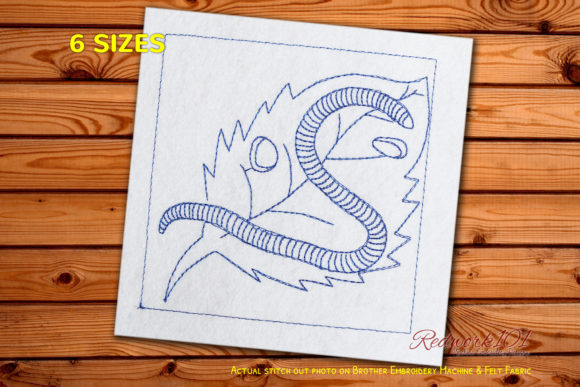
The initial glance at Composting Red Worm Lineart reveals a charmingly rustic and playful vibe. In the current market, where consumers are increasingly drawn to nature-inspired and sustainable themes, a design featuring composting worms hits a sweet spot. It is quirky without being childish, making it suitable for a wide demographic ranging from eco-conscious teens to adults who appreciate garden-themed humor. The line art style suggests a clean, minimal approach, which is often preferred for sweatshirt embroidery because it avoids the heavy, stiff feel that dense satin stitches can create on soft fabrics.
The mood here is decidedly casual and cute, yet it carries a hint of educational or environmental advocacy. For a boutique brand looking to establish a unique identity, this design offers a narrative. It is not just a bug; it is a symbol of regeneration and earth care. This storytelling aspect can significantly boost customer engagement and help differentiate your handmade product from generic mass-market apparel.
Placement Strategy for Sweatshirts and Hoodies
When planning a collection, placement is everything. Composting Red Worm Lineart is versatile enough to work in several key areas of a garment. For a standard crewneck sweatshirt, a left-chest placement creates a subtle, premium look. It acts as a small badge of honor for the wearer, suggesting a love for nature without shouting. This is ideal for custom apparel lines that aim for a understated, everyday wearable aesthetic.
However, do not overlook the potential for larger placements. On an oversized hoodie, this design could be scaled up for a central chest position or even the back. The line art structure allows for scaling without losing integrity, provided the stitch density is adjusted correctly. Sleeve accents are another trendy option. A small worm motif on the cuff or upper sleeve adds a surprising detail that customers love to discover. This kind of thoughtful detailing elevates the perceived value of the finished product and encourages social media sharing, which is vital for any Etsy seller or small shop owner.
Technical Considerations for Production
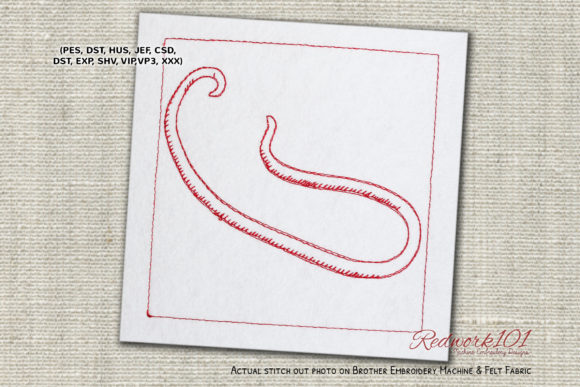
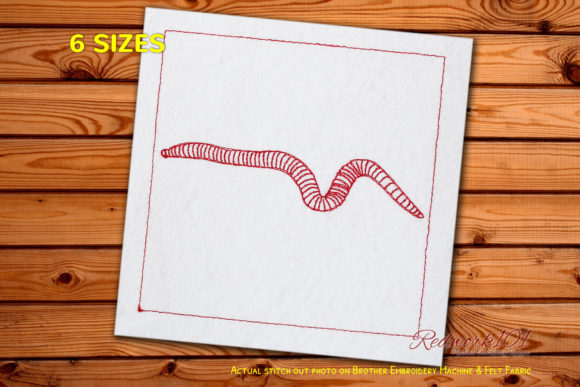
From a technical standpoint, working with line art on thick fabrics like fleece or French terry requires attention to detail. The product description notes that "The Box Stitch shown in the picture is optional." This is a crucial detail for production efficiency. If you are embroidering on dark fabric, you might want to keep the box if it serves as a border or background element to make the worm pop. However, for a cleaner, more integrated look on neutral or pastel sweatshirts, skipping the outer box is often the better choice. This flexibility allows you to adapt the design to different colorways without needing multiple separate files.
Stitch density is a primary concern. Line art designs can sometimes be too sparse, leading to gaps in the fabric showing through, or too dense, causing puckering. Before running a full production batch, I always recommend test stitching on the exact fabric weight you intend to use. For heavy sweatshirt material, a cut-away stabilizer is usually necessary to support the stitches and prevent distortion over time. The hoop size should be chosen to minimize re-hooping if you are combining this design with text or other elements, though this particular motif likely fits comfortably in standard 4x4 or 5x7 hoops.
Another practical note: the description mentions, "The color of the outer box is a different color in most of the designs unless it is part of the design itself, you can skip the colo." This implies that color separation is key. When selecting thread colors, consider high-contrast options for visibility or tonal shades for a sophisticated, monochromatic look. For example, a deep olive green thread on a cream sweatshirt feels organic and premium, while a bright red on black creates a bold, graphic statement.
Fabric Interaction and Durability
The texture of the fabric plays a huge role in how Composting Red Worm Lineart appears. On smooth cotton blends, the lines will appear crisp and defined. On textured fleece, the stitches may sink slightly into the pile, giving a softer, more vintage appearance. Both effects are desirable depending on your brand’s aesthetic. Durability is also a selling point. Embroidery is far more resilient than screen printing or heat transfers, especially for items that will be washed frequently. A well-digitized file ensures that the threads lock securely, maintaining the shape of the worm and any optional box elements through countless wash cycles. This longevity builds buyer trust and reduces return rates due to quality issues.
Commercial Viability and Brand Identity
For commercial embroidery businesses and independent designers, this design offers strong potential. It fits neatly into the "Bugs" category but transcends it by tapping into the sustainability trend. Using this design in your design assets library allows you to create cohesive collections. Imagine pairing this worm motif with leaf patterns or soil-themed text for a complete gardening capsule. Such thematic consistency strengthens brand identity and makes your shop memorable.
When creating listings for your online store, high-quality printable mockup images are essential. Show the design on various garments: neutral sweatshirts, dark hoodies, and even tote bags. Highlight the texture of the embroidery in close-up shots. Customers need to see the raised dimension of the stitches to appreciate the value of a digital embroidery file brought to life. Mentioning the optional box stitch in your product description can also serve as a customization point, offering clients the ability to choose between a framed or frameless look.
Final Verdict for Designers
In summary, Composting Red Worm Lineart is a solid addition to any embroidery designer’s portfolio. It balances playfulness with professionalism, making it suitable for both casual wear and boutique-level merchandise. Its adaptability across different fabric colors and placement options gives creators the freedom to experiment. However, success lies in the execution. Pay close attention to stabilizer choice, thread tension, and the optional box element to ensure the highest quality output.
Before finalizing your production run, always verify the specific technical details such as exact stitch count and recommended hoop size, as these were not explicitly detailed in the brief description provided. Testing on your specific machinery and fabric combination is the only way to guarantee perfection. With careful preparation, this design can become a standout piece in your next seasonal drop, appealing to customers who value unique, handcrafted, and meaningful apparel. Whether you are an experienced apparel decorator or a budding creative entrepreneur, this file offers the versatility needed to create compelling, high-quality embroidered goods.