Reviewing Roundworm Redwork for Real Projects
As a designer who has spent countless hours hooping fabric and troubleshooting thread breaks, I approach every new machine embroidery design with a mix of curiosity and caution. We have all been there: you download a cute file, load it onto your machine, and hope for the best. But when you are running a craft business or creating personalized gifts for clients, hope is not a strategy. You need reliability. Recently, I took a close look at Roundworm Redwork, a design categorized under Bugs, to see if it holds up under the scrutiny of real-world production.
First Impressions and Visual Personality
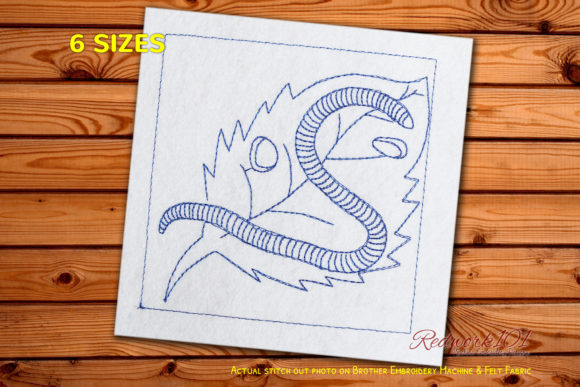
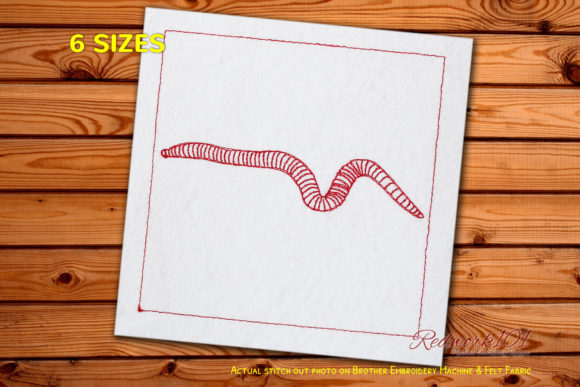
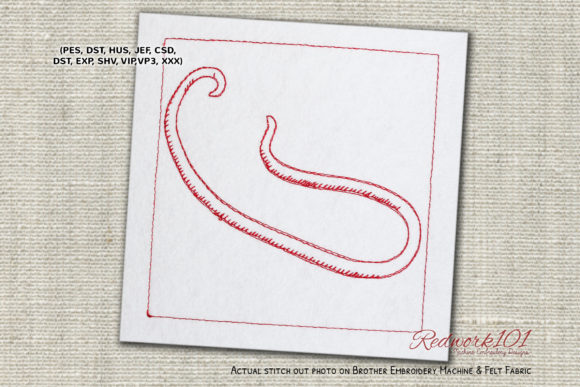
The first thing that strikes me about Roundworm Redwork is its simplicity. In the world of embroidery, simple does not mean easy. In fact, redwork styles rely heavily on clean lines and consistent stitch quality because there is no dense fill to hide imperfections. The design features a whimsical, segmented body that captures the essence of a roundworm without being overly realistic or grotesque. This balance is crucial if you are aiming for a playful aesthetic rather than a scientific one.
The mood here is lighthearted and organic. It feels like something that belongs in a garden-themed nursery or on a compost bin apron. The layout is compact, which immediately makes me think of smaller hoop sizes. However, the visual personality is strong enough that it doesn’t get lost even when scaled down. For an Etsy seller looking to add unique design assets to their shop, this kind of clear, recognizable silhouette is gold. It reads well from a distance, which is essential for items like tote bags or caps.
Real-World Application Scenarios
I decided to test this concept mentally against a few common embroidery project types. Imagine you are preparing a custom order for a local community garden. They want branded tote bag designs for their volunteers. Roundworm Redwork would be perfect here. The single-color nature of traditional redwork (though you can certainly change the thread colors) keeps production costs low and stitching time fast. On a canvas tote, the design would stand out sharply against the textured background.
Another scenario involves baby embroidery. Parents love nature themes, but they often worry about scratchy threads or heavy designs. Since this is primarily line-based, it sits flatter on the fabric than a heavy satin or fill stitch design. Placing this on a soft cotton onesie or a burp cloth creates a charming, subtle accent. It is not overwhelming, making it an ideal personalized gift for eco-conscious families.
For those selling custom apparel, consider a pocket placement on a denim jacket or a chambray shirt. The whimsical bug theme adds a touch of personality without screaming for attention. It works well as a small detail that customers notice only when they are close, fostering a sense of discovery and quality in your handmade product.
Technical Considerations and Stitching Performance
Let’s talk about the technical side. The product description notes that "The Box Stitch shown in the picture is optional." This is a critical detail for any professional. Optional elements give you flexibility. If you are stitching on a dark fabric where a contrasting box might look cluttered, you can skip it. If the design requires a border to frame it on a busy patterned fabric, you include it. This adaptability is a sign of a well-thought-out digital embroidery file.
However, you must pay attention to the stitch density. Redwork designs typically use running stitches or slight zig-zags. On stretchy fabrics like jersey knits for t-shirts, you must use a proper stabilizer. Without it, the fabric may pucker around the curves of the worm’s body. I always recommend testing on scrap fabric first. Check how the needle penetrates the material and whether the thread tension needs adjustment. A loose tension can cause loops, while tight tension can distort the shape.
Also, consider the fabric texture. On high-pile fleece or thick towels, fine details can get lost. Roundworm Redwork has enough definition to survive on medium-weight textiles, but on very plush materials, you might need to increase the size slightly to maintain clarity. Always inspect small details after a test run. Are the segments distinct? Is the head shape clear? These micro-details determine whether your finished product looks professional or amateurish.
Where to Use Caution
While versatile, this design is not universal. Be careful using it on curved surfaces like caps unless you have experience with cap frames. The horizontal orientation of the worm might distort if the hoop tension is not perfectly balanced. Additionally, avoid placing it over seams or thick layers where the needle might deflect.
If you are planning to use this for commercial embroidery on items that undergo frequent washing, ensure your thread choice is colorfast. Red threads, in particular, can bleed if low-quality polyester or rayon is used. For holiday embroidery projects, such as Halloween or Earth Day gifts, this design fits nicely, but remember that seasonal trends move fast. Ensure your pricing reflects the time saved by using a simpler stitch type compared to complex fills.
Enhancing Brand Value and Customer Trust
Consistency builds trust. If your brand focuses on nature, gardening, or whimsical handmade goods, Roundworm Redwork aligns perfectly. It reinforces your niche. When customers see a clean, well-stitched design, they perceive higher value. It suggests that you care about the details. This perception drives buyer engagement and repeat business.
Use this design in your printable mockup previews to show potential buyers how it looks on different items. Show it on a linen napkin, a cotton tee, and a canvas bag. Visualizing the end result helps customers make decisions faster. It also demonstrates your versatility as a maker.
Final Designer Notes
Before you commit to a large batch, do your homework. Confirm the licensing terms. Can you sell finished items? Can you share the embroidery file itself? Most designers allow selling finished physical goods but prohibit redistributing the digital file. Respect these boundaries to maintain integrity in the creative community.
Check the file formats provided. Ensure your machine can read the specific extension. If the description mentions skipping colors, test that workflow. Does skipping the outer box color disrupt the sequence? A quick dry run on a cheap piece of muslin will save you from ruining expensive client garments.
In summary, Roundworm Redwork is a solid addition to your library. It is practical, adaptable, and visually appealing. It respects the constraints of small hoops and fast production times while delivering charm. For the small shop product lineup, it offers a low-risk, high-reward option that appeals to a broad audience of nature lovers and craft enthusiasts. Treat it with the technical respect it deserves, and it will serve your business well.