Baby Tooth: A Designer’s Review for Boutique Apparel
As an embroidery designer who spends more time staring at stitch maps than actual fabric, I have developed a keen eye for what makes a machine embroidery design truly viable for commercial use. When I stumbled upon Baby Tooth on Creative Fabrica, my immediate instinct was not just to admire the aesthetics, but to mentally map it onto the garments I produce for my boutique clients. This is not merely a digital file; it is a potential cornerstone for a seasonal collection, particularly for those targeting the Boys category or seeking playful yet polished accents in their custom apparel lines.
First Impressions and Visual Personality
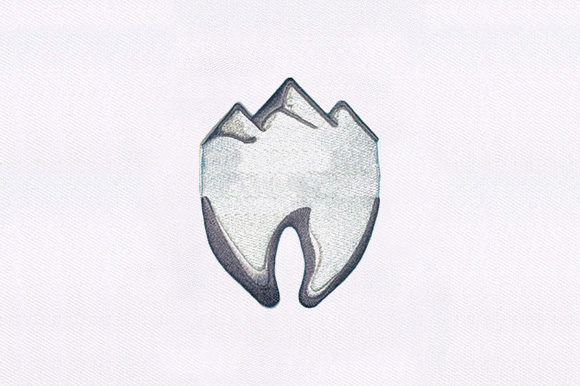
The first thing that strikes you about Baby Tooth is its balanced visual personality. It does not scream for attention with chaotic density, nor does it fade into the background with minimalism. Instead, it sits comfortably in a space that feels both trendy and classic. The design possesses a decorative strength that suggests premium quality without being overly complex. For a boutique brand, this is crucial. You want a design that looks intentional and high-value, something that justifies a higher price point on your Etsy seller platform or in your physical shop.
The mood of the embroidery is playful yet refined. It avoids the trap of looking childish in a cheap way, which is often a risk with designs categorized under Boys. Instead, it offers a cute, approachable vibe that works equally well on neutral sweatshirts as it does on vibrant, pastel hoodies. This versatility is what makes a digital embroidery file worth investing in. It is not a one-trick pony; it is a flexible asset for your creative toolkit.
Strategic Placement for Sweatshirts and Hoodies
When planning a small sweatshirt or hoodie collection, placement is everything. Baby Tooth shines in specific areas where detail can be appreciated without overwhelming the garment. For a standard crewneck sweatshirt, I envision this design perfectly centered on the chest. It provides a focal point that breaks up the monotony of solid colors, adding a layer of sophistication to casual wear.
For oversized garments, which are currently dominating the market, consider using Baby Tooth as a sleeve accent. Placing a smaller version of the design on the lower sleeve or near the cuff creates a subtle branding opportunity that feels exclusive and custom. This type of sweatshirt embroidery elevates a basic fleece piece into a statement item. On darker apparel, such as charcoal or navy hoodies, the design pops effectively if you choose high-contrast thread colors. However, on pastel hoodies, a monochromatic or tonal thread choice can create a sophisticated, understated look that appeals to customers seeking minimalist aesthetics.
Expanding Beyond Apparel
While my primary focus is often on wearable art, the utility of Baby Tooth extends to other handmade product categories. Imagine this design embroidered on a heavy canvas tote bag. The durability of the stitch pattern, assuming proper stabilization, would hold up well against the texture of the fabric. It transforms a simple grocery bag into a lifestyle accessory. Similarly, on denim jackets, the design adds a touch of whimsy to a rugged material, creating a interesting textural contrast between the smooth embroidery threads and the coarse denim weave.
For those creating printable mockups for social media graphics or Etsy listings, the clean lines of Baby Tooth render beautifully in digital formats. This helps in building a cohesive visual identity for your small shop product line. Consistent use of a recognizable design across different items—t-shirts, totes, and hats—builds buyer trust and product recognition.
Technical Considerations for Professional Results
Before rushing to hoop your first garment, there are critical technical factors to address. As an experienced designer, I always advise testing on scrap fabric that matches the weight and stretch of your final garment. Fleece and ribbed fabrics behave differently than cotton jersey. The stitch density of Baby Tooth must be evaluated against the fabric texture. If the design is too dense for a lightweight t-shirt, it may cause puckering. Conversely, on thick fleece, you may need a cut-away stabilizer to ensure the design remains crisp and does not sink into the pile.
One of the strengths of purchasing from Creative Fabrica is the variety of file formats provided. Baby Tooth comes in 10O, ART, CND, DSB, DST, DSZ, EXP, HUS, JEF, PCS, PEC, PES, TAP, VIP, VP3, and XXX. This extensive list ensures compatibility with most major embroidery machines. However, do not assume universal perfection. Always check the specific hoop size requirements for your machine. While the design may fit in a standard 4x4 hoop, verifying the dimensions prevents last-minute resizing issues that can distort the aspect ratio and ruin the visual appeal.
Thread color contrast is another pivotal element. On dark garments, ensure your thread has enough sheen and brightness to stand out. On light garments, consider using matte threads for a more subdued, vintage feel. Testing these combinations on similar garment fabric before production saves time, money, and reputation.
Enhancing Brand Identity and Value
Integrating Baby Tooth into your collection is not just about adding a pretty picture; it is about enhancing your brand identity. A well-executed embroidery project signals quality and attention to detail. When customers see consistent, professional stitching, their trust in your commercial embroidery skills increases. This leads to higher customer engagement and repeat business.
For creative entrepreneurs, this design offers a way to differentiate your products in a saturated market. Whether you are selling finished apparel or offering custom embroidery services, having a unique, high-quality design like Baby Tooth sets you apart. It allows you to create cohesive collections that tell a story, rather than just selling isolated items.
Final Designer Notes
Always review the licensing terms on Creative Fabrica before selling finished apparel. While most designs allow for commercial use of finished products, it is essential to confirm that you are compliant with the specific license attached to Baby Tooth. Additionally, inspect the stitch path in your embroidery software if possible. Look for any unnecessary jumps or dense areas that might benefit from editing. This level of scrutiny ensures that every piece you produce meets the high standards your customers expect.
In conclusion, Baby Tooth is a versatile, high-potential addition to any embroidery designer’s library. Its adaptability across various fabrics and garment types, combined with its appealing visual mood, makes it an excellent choice for boutique apparel projects. By paying attention to technical details like stabilizer choice and thread contrast, you can leverage this design to create stunning, profitable pieces for your handmade business.