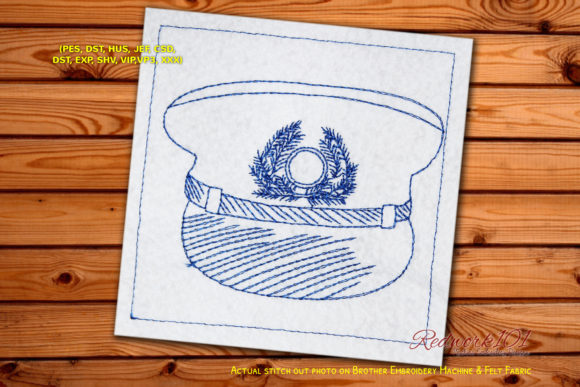
Pilot Cap Lineart Design: A Craft Fair Review
As an embroidery designer who has spent countless weekends behind a booth table, I have learned that not every machine embroidery design is created equal when it comes to retail success. Some designs look stunning on a screen but fall flat in person, while others become instant bestsellers because they speak directly to the customer’s identity. Today, I am reviewing the Pilot Cap Lineart Design, evaluating its potential for craft fair products and handmade market sales from a practical, production-focused perspective.
First Impressions and Visual Appeal
The first thing that strikes me about the Pilot Cap Lineart Design is its clean, minimalist aesthetic. In a market often saturated with overly complex or cluttered graphics, line art offers a refreshing sense of modern sophistication. This design feels professional and crisp, fitting perfectly into the "Work" category without being dull. It suggests precision and skill, qualities that handmade buyers actively seek out.
The description notes that the Box Stitch shown in the picture is optional. This is a crucial detail for us as makers. The ability to skip the outer box color allows for greater versatility. If you are embroidering on a dark fabric, you might want the box for definition. On a light canvas tote, skipping the box creates a softer, more integrated look. This flexibility is a major selling point for a small shop product because it allows you to adapt one digital embroidery file to multiple product lines without purchasing separate variations.
Product Versatility for the Craft Fair Booth
When planning my booth display, I always ask: where does this design shine? For the Pilot Cap Lineart Design, the answer is surprisingly broad, though some applications are stronger than others.
- Tote Bags: This is likely your strongest seller. A large, centered placement on a natural cotton canvas tote highlights the clean lines of the artwork. It transforms a basic bag into a stylish accessory for professionals or students.
- Aprons and Kitchen Textiles: The design works well for apron embroidery, particularly for chefs or aviation enthusiasts. However, be mindful of the tea towel embroidery application. Towels have a loose weave and high texture, which can cause small details in line art to get lost or puckered.
- Caps and Headwear: As the name implies, this design is tailored for headwear. Embroidering on curved surfaces requires careful hooping and stabilizer choice. The line art style is ideal here because it avoids the heavy stitch density that can cause caps to warp or feel stiff.
- Patches and Pouches: Creating an embroidered patch with this design allows for batch production. You can sew these onto jackets, bags, or sell them as standalone accessories. Small fabric pouches also benefit from the design’s scalability.
Production Practicality and Batch Efficiency
For any Etsy seller or craft fair vendor, time is money. The Pilot Cap Lineart Design appears to be efficient for batch production. Line art typically uses fewer thread changes and less run time compared to filled satin stitches or complex photo-realistic designs. This efficiency means you can produce more finished product in less time, increasing your profit margin.
However, simplicity can be deceptive. Because the design relies on lines rather than fill, the quality of your stitching must be impeccable. Any tension issues or registration errors will be immediately visible. There is no dense stitching to hide imperfections. Therefore, this design demands high-quality thread colors and precise machine maintenance. It photographs beautifully for online listings because the contrast between the thread and fabric is usually sharp, making it easy to create compelling printable mockup images for your digital store.
Technical Considerations and Careful-Use Notes
Before you commit to producing a full inventory, there are technical factors to consider. Since the specific stitch count and recommended hoop size are not provided in the brief description, you must check these details in the actual file metadata before production. Running a design that is too large for your hoop can lead to frustrating mid-stitch stops.
Pay close attention to stitch density. While line art is generally low density, ensure that any connecting stitches or underlay are appropriate for your chosen fabric. For textured materials like waffle-weave towels or thick denim, you may need a cut-away stabilizer to prevent distortion. On smooth fabrics like poplin or polyester blends, a tear-away stabilizer might suffice, but always test on scrap fabric first.
Another critical note is the color of the outer box. The description states it is a different color in most designs unless part of the design itself. If you choose to include the box, ensure there is sufficient contrast between the box thread and the background fabric. Low contrast can make the design look muddy from a distance, reducing its impact on a busy craft fair table.
Enhancing Brand Consistency and Buyer Engagement
Using the Pilot Cap Lineart Design can strengthen your brand identity if you position it correctly. It appeals to customers who value understated elegance and professional pride. By offering this design on a range of handmade product types, you create a cohesive collection. Imagine a display featuring a cap, a matching tote, and a small pouch, all featuring the same clean line art. This visual consistency encourages upsells and increases the perceived value of your commercial embroidery offerings.
Customer attention is often captured by clarity. In a sea of busy patterns, the simplicity of this design acts as a visual rest stop. It invites the viewer to look closer, appreciating the neatness of the stitches. This engagement is vital for converting browsers into buyers. Furthermore, because the design is versatile, it appeals to a broader demographic, from aviation workers to fans of minimalist decor.
Final Designer Recommendations
To maximize the potential of the Pilot Cap Lineart Design, follow these steps before listing it as a craft fair product:
- Test on Multiple Fabrics: Stitch out samples on canvas, denim, twill, and towel material. Compare how the lines hold up on each texture.
- Check Thread Contrast: Ensure your thread choices pop against your fabric base. High contrast is key for line art visibility.
- Verify Licensing: Confirm that your purchase of the design assets includes commercial licensing rights. Never assume; always read the terms to protect your business.
- Create Real Mockups: Instead of relying solely on digital renderings, photograph your actual stitched samples. Buyers trust real photos of Embroidery work more than perfect digital simulations.
- Review Spacing: If adding text or other elements, ensure there is adequate breathing room around the pilot cap graphic to maintain its clean aesthetic.
In conclusion, the Pilot Cap Lineart Design is a strong contender for your next collection. It balances aesthetic appeal with production efficiency, making it a smart choice for both novice and experienced machine embroidery entrepreneurs. By paying attention to fabric choice, stabilizer selection, and presentation, you can turn this simple line art into a standout seller at your next market event.