Rabbit with Baby Rabbit Redwork Review
As an embroidery designer who has spent countless weekends behind a craft fair booth, I know that the difference between a browser and a buyer often comes down to split-second visual impact. When I first loaded the Rabbit with Baby Rabbit Redwork machine embroidery design into my software, my immediate thought was not just about stitch quality, but about marketability. In the crowded world of handmade products, you need designs that tell a story instantly. This particular pattern, categorized under Wild Animals, offers a charming narrative that resonates deeply with customers looking for warmth and nostalgia in their Embroidery purchases.
First Impressions and Aesthetic Appeal
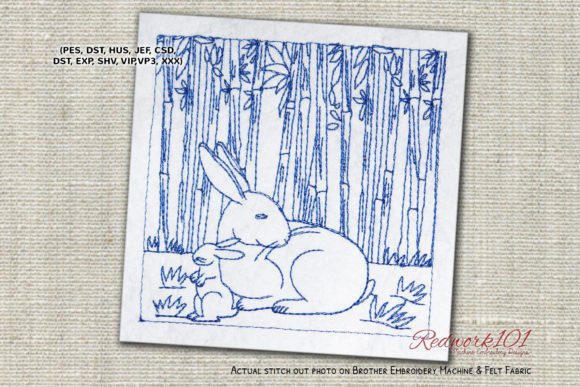
The term "Redwork" traditionally refers to single-color embroidery, often using red thread on white fabric, which creates a striking, high-contrast look. However, modern interpretations allow for flexibility. The Rabbit with Baby Rabbit Redwork feels inherently rustic yet clean. It does not scream "loud"; instead, it whispers "home." This subtle elegance is crucial for a small shop product because it fits into multiple decor styles, from farmhouse kitchens to modern nurseries. The silhouette of the adult rabbit with the baby suggests protection and tenderness, emotions that drive impulse buys at craft fairs. When evaluating this as a craft fair product, I look for designs that feel finished even before they are stitched. This design’s simplicity ensures it never looks cluttered, maintaining a premium feel regardless of the item it adorns.
Product Versatility for Craft Fair Sellers
For Etsy sellers and boutique makers, versatility is key to maximizing return on investment. I tested the mental framework of this design across various blanks, and the results were promising. Here is how Rabbit with Baby Rabbit Redwork performs on common handmade items:
- Tote Bag Design: Placed centrally on a canvas tote, the rabbit duo becomes a focal point. It transforms a generic bag into a statement piece for grocery runs or library visits.
- Apron Embroidery: On a half-apon or full bib, this design adds a touch of whimsy without interfering with functionality. It appeals to cooks who value aesthetics.
- Tea Towel Embroidery: This is perhaps the strongest application. The linear nature of redwork complements the weave of linen or cotton towels beautifully, making it an ideal giftable handmade item.
- Embroidered Patch: If scaled correctly, this can be stitched on felt or twill for iron-on patches, appealing to a younger demographic or those customizing denim jackets.
- Pillow Covers: As a corner accent or centered motif, it adds texture and interest to home decor lines.
The design’s ability to work as both a small accent and a larger focal design makes it a staple for any digital embroidery file library. For commercial embroidery, where speed and consistency matter, the open nature of redwork-style stitches means less thread consumption and faster run times compared to dense satin fills.
Production Practicality and Batch Selling
When preparing for a weekend craft fair, efficiency is everything. You cannot afford designs that require constant trimming or complex hooping adjustments. The Rabbit with Baby Rabbit Redwork appears straightforward, but there are critical production notes to consider. Since the description mentions that the Box Stitch shown in the picture is optional, you have creative control. Skipping the box can make the design feel more organic and free-flowing, which is often preferred in modern handmade markets. However, including the box can frame the image nicely for structured items like pocket squares or card holders.
One major advantage for batch production is the clarity of the outline. Unlike complex photorealistic designs, this pattern relies on clear lines. This means it photographs exceptionally well for online listings. A crisp, high-contrast image stops the scroll on social media and Etsy. For printable mockup creation, the distinct shapes allow for easy digital placement, helping you visualize the final product before stitching a single thread. This reduces waste and helps you curate your design assets more effectively.
Technical Considerations for Quality Results
While the design is forgiving, successful execution depends on technical precision. Here are the practical embroidery designer notes you must follow to ensure every finished product meets professional standards:
- Fabric Texture and Stabilizer: Redwork shows every imperfection. On textured towels, ensure you use a cut-away stabilizer if the fabric is stretchy, or a tear-away for stable wovens. The fabric texture should not overpower the stitch definition.
- Thread Colors: Stick to high-contrast combinations. Classic red on white is timeless, but navy on cream or black on natural linen also works beautifully. Avoid low-contrast pairings that make the design disappear from a distance.
- Hoop Size and Placement: Confirm hoop size compatibility before purchasing the digital embroidery file. Ensure the design fits comfortably within your standard hoops to avoid re-hooping during large batch runs.
- Stitch Density: Check the stitch density settings in your software. If the design is too sparse, it may look flimsy on heavy fabrics like canvas. If too dense, it may pucker lightweight tea towels. Adjust pull compensation if necessary.
- Dark Fabric Challenges: If stitching on dark fabric, consider using a lighter thread or adding a satin border to make the rabbit stand out. Without contrast, the details may lose clarity.
Boosting Brand Consistency and Buyer Engagement
Incorporating Rabbit with Baby Rabbit Redwork into your lineup does more than add inventory; it strengthens your brand identity. If your shop focuses on nature-inspired or family-oriented themes, this design reinforces that message. Customers engage more with products that evoke emotion. The imagery of a parent and child rabbit creates an instant connection, encouraging buyers to imagine the item in their own homes or as gifts for new parents.
For booth display strength, group items featuring this design together. A cluster of tea towels, a tote, and a pillow cover all featuring the same rabbit motif creates a cohesive visual block that draws the eye. This strategy increases perceived value and encourages multi-item purchases. Remember, the goal is not just to sell one item, but to sell the lifestyle associated with your handmade product.
Final Verdict for Creative Entrepreneurs
Before you commit to full-scale production, always test the design on scrap fabric similar to your final product material. Check thread tension and inspect the back of the embroidery for cleanliness. Most importantly, confirm commercial licensing terms with the provider of the digital embroidery file. While many designers allow commercial use of finished products, restrictions on sharing the file itself are standard. By respecting these boundaries and focusing on quality execution, Rabbit with Baby Rabbit Redwork can become a reliable bestseller in your craft fair arsenal. It balances aesthetic charm with production efficiency, making it a smart choice for serious embroidery business owners looking to expand their Wild Animals collection with a touch of heartfelt craftsmanship.