Reviewing I Love with Rose Redwork for Craft Fairs
As an embroidery designer who has spent countless weekends standing behind booths at local markets, I have learned that not every pretty design translates into a best-seller. When I first loaded the I Love with Rose Redwork file into my digitizing software, I was looking for more than just aesthetic appeal. I was evaluating its potential as a high-volume craft fair product. For those of us running small shops or selling on Etsy, the difference between a design that sits idle and one that flies off the table often comes down to clarity, speed, and versatility.
First Impressions: The Power of Simplicity
The immediate vibe of this design is classic and understated. Redwork, by definition, relies on a single color thread—traditionally red—against a neutral background. This creates a striking contrast that feels both farmhouse rustic and elegantly minimal. In a crowded market setting, where customers are bombarded with multi-colored, complex graphics, the simplicity of I Love with Rose Redwork acts as a visual palate cleanser. It signals quality and tradition.
The inclusion of the rose motif adds a touch of romance without veering into overly saccharine territory. While it fits perfectly within the Valentine S Day category, its timeless nature allows it to sell year-round. It does not scream "holiday clearance" in February; instead, it whispers "handmade heirloom." This longevity is crucial for inventory management. You do not want stock that becomes obsolete after a single weekend.
Versatility Across Product Lines
One of the strongest assets of this design is its adaptability. I tested the visual weight of the pattern against several common handmade product bases. Here is how it performs across different items:
- Tote Bags: As a tote bag design, it works beautifully as a central focal point. The bold lines of the redwork stand out against canvas or cotton blends, making it easy for customers to read from a distance.
- Tea Towels and Aprons: For tea towel embroidery and apron embroidery, this design shines. Kitchen textiles benefit from the durability of simple stitches. The lack of dense fill areas means the fabric remains soft and absorbent, a key selling point for functional home goods.
- Embroidered Patches: If you are creating an embroidered patch, ensure you check the edge detailing. Redwork can sometimes lack the satin stitch border needed for a clean cut patch, so you may need to add a backing or adjust the digitizing for appliqué styles.
- Pillow Covers: On linen or burlap pillow covers, the texture of the fabric complements the linear nature of the stitches. It adds a premium, boutique feel to a relatively low-cost item.
Production Practicalities for the Small Shop Owner
For the busy Etsy seller or craft fair veteran, production speed is money. This design appears to be optimized for efficiency. Because it utilizes redwork techniques, it likely avoids the heavy stitch density found in full-fill logos. This means less thread breakage, faster run times, and lower material costs. However, there are critical technical considerations to address before you commit to a large batch.
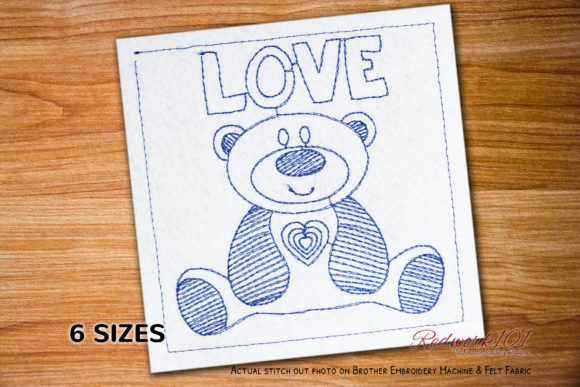
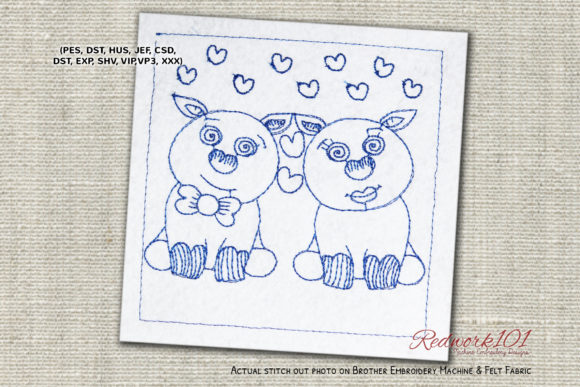
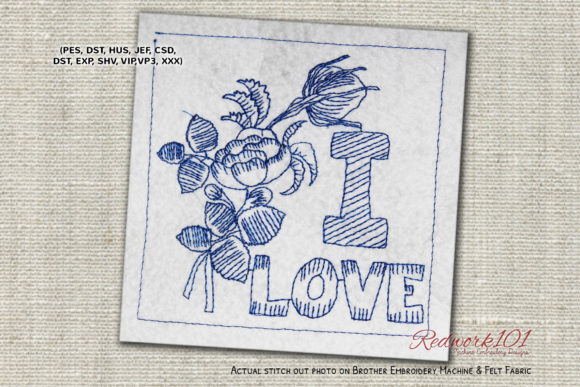
The product description notes that "The Box Stitch shown in the picture is optional." This is a vital detail. If the box is part of the digital file, you must decide whether to include it. In my experience, removing unnecessary framing elements often modernizes a design. If the outer box color differs from the main design, skipping it can simplify your thread changes. Fewer color stops mean faster production and fewer opportunities for user error during hoop-up.
You must also consider the hoop size relative to the product. A 4x4 inch hoop might constrain the design on a large tote, requiring you to resize it. Always test resizing limits. Enlarging a redwork design too much can make individual stitches look gappy and amateurish, while shrinking it too much can cause the needle to perforate the fabric excessively, leading to tearing.
Navigating Fabric and Stabilizer Challenges
Not all fabrics behave the same way. When working with textured towels or thick denim, the visibility of the design can suffer. I recommend using a cut-away stabilizer for stretchy fabrics like t-shirts or caps, and a tear-away for stable woven cottons. For dark fabrics, traditional redwork loses its impact. This design is best suited for white, cream, beige, or light gray materials. If you attempt it on black, you will need to switch to a bright white or gold thread, which changes the entire aesthetic from rustic to modern chic.
Pay close attention to tiny details. If the rose petals have very fine lines, they may not stitch out cleanly on rough linen. Always run a test stitch on scrap fabric that matches your final product material. Check the thread contrast under natural light, as booth lighting can distort colors. A deep crimson might look muddy next to a warm beige if not carefully selected.
Marketing and Visual Appeal
How does I Love with Rose Redwork perform in marketing? For online listings, simplicity is a blessing. It photographs well because it lacks the shadow issues that plague puffy, high-density designs. You can create a clean printable mockup or take flat-lay photos that highlight the crispness of the stitches. This clarity helps buyers understand exactly what they are purchasing, reducing return rates.
In a physical booth, this design serves as an excellent anchor for your display. Use it on your most visible items, such as hanging tea towels or front-facing aprons. It communicates "handcrafted" instantly. Customers associate redwork with traditional skills, which justifies a higher price point compared to printed vinyl decals. It elevates the perceived value of your small shop product.
Furthermore, this design supports brand consistency. If your brand leans toward cottagecore, vintage, or minimalist aesthetics, this asset fits seamlessly. It does not clash with other items in your collection. Instead, it provides a cohesive thread—literally and figuratively—that ties your booth together.
Final Designer Notes
Before you list this as a commercial embroidery product, verify the license terms associated with the digital embroidery file. Ensure you have the rights to sell finished physical goods. Also, confirm the file formats provided. You want native files that allow you to adjust settings if necessary, rather than locked formats that limit your control over thread colors and speed.
Create at least one real-world sample. Do not rely solely on screen simulations. Stitch it out on the exact fabric you plan to sell. Wash it. Iron it. See how it holds up. If the design survives the wash cycle without puckering or thread loss, you have a winner. This level of quality control is what separates hobbyists from professional creative entrepreneurs.
In conclusion, I Love with Rose Redwork is a strong contender for your upcoming season. It balances aesthetic charm with production efficiency. By focusing on high-contrast fabrics, managing your stabilizer choices, and leveraging its versatility across totes, towels, and gifts, you can maximize its sales potential. It is a design that respects the crafter’s time while delighting the customer’s eye.