Shinto Torii Bluework: A Serene Embroidery Choice
As an embroidery designer who has spent years navigating the vast libraries of digital files, I am always on the lookout for designs that offer more than just technical precision. I look for soul. When I first opened the Shinto Torii Bluework file on Creative Fabrica, I was immediately struck by its quiet elegance. In a market saturated with loud, overly complex patterns, this design stands out for its minimalist charm and spiritual grounding. It is not merely a graphic; it is a moment of calm stitched into fabric.
This review is written for my fellow crafters, Etsy shop owners, and handmade gift creators who understand that the right machine embroidery design can transform a simple textile into a cherished heirloom. Whether you are creating a personalized gift for a wedding or adding a unique touch to nursery decor, understanding the nuances of this specific Embroidery pattern is key to delivering a high-quality finished product.
The Visual Appeal and Emotional Resonance
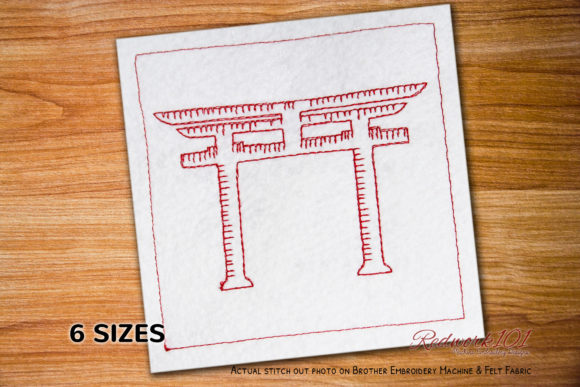
The Shinto Torii gate is a powerful symbol in Religion and Japanese culture, representing the transition from the mundane to the sacred. Translating this into a bluework style creates a fascinating juxtaposition. The traditional monochromatic blue palette, often associated with classic colonial needlework, meets the structural simplicity of the Torii gate. The result is a design that feels both timeless and modern.
The visual softness of this design is its strongest asset. It does not demand attention with aggressive colors or dense fills. Instead, it invites the viewer to pause. For customers seeking a handmade product that conveys peace, mindfulness, or cultural appreciation, this design hits the mark. It feels cozy yet sophisticated, making it versatile enough for a baby’s room or a master bedroom suite.
Versatility in Handmade Gifts and Products
One of the primary concerns for any Etsy seller or small business owner is versatility. Can this single digital embroidery file work across multiple product lines? Absolutely. Here is how I envision using Shinto Torii Bluework in a real-world commercial context:
- Wedding Gifts: Embroidered onto high-quality linen tea towels or handkerchiefs, this design serves as a subtle, meaningful gift for couples who value tranquility and tradition.
- Nursery Decor: The gentle blue tones are perfect for baby embroidery. Imagine this stitched onto a muslin swaddle blanket or a crib sheet. It provides a calming focal point without being overstimulating.
- Home Textiles: This design shines on pillow cover inserts made from natural fabrics like cotton or linen. The contrast of the blue thread against neutral backgrounds creates a high-end, boutique look.
- Apparel and Accessories: For a more personal touch, consider custom embroidery on denim tote bags or aprons. The structural lines of the Torii gate hold up well on heavier fabrics, adding a touch of artistic flair to everyday items.
For those creating printable mockup listings, the clean lines of this design photograph beautifully. It allows potential buyers to clearly see the stitch quality, which increases perceived value and buyer engagement.
Technical Considerations for the Stitcher
While the aesthetic is straightforward, executing Shinto Torii Bluework requires attention to detail. As an experienced designer, I must highlight several practical concerns to ensure your commercial embroidery projects meet professional standards.
First, consider the fabric texture. The description notes that "The Box Stitch shown in the picture is optional." This is a crucial detail. If you are stitching on a textured towel or a thick blanket, skipping the box stitch might be preferable to avoid excessive bulk. However, if you are working on a smooth cotton or a stretchy baby garment, the box stitch can provide necessary stability and framing. Always create a test stitch-out on a scrap piece of your actual production fabric before committing to the final item.
Second, pay close attention to thread colors. The description mentions that "The color of the outer box is a different color in most of the designs unless it is part of the design itself." This implies flexibility. In bluework, tonal variation is key. I recommend using at least three shades of blue to create depth within the Torii structure. Test these combinations on your machine to ensure the contrast is visible but harmonious. Avoid using dark thread on dark fabric, as the intricate details may get lost.
Stabilizer choice is equally critical. For blanket embroidery or heavy towels, a cut-away stabilizer is often best to support the stitches during washing. For lighter fabrics like those used in embroidered towel sets or clothing, a tear-away might suffice, but always check the stitch density. If the design is dense, you may need additional support to prevent puckering.
Building Trust Through Quality
In the world of online sales, trust is currency. A poorly executed embroidery job can damage your reputation, while a flawless one builds loyal customers. Using a well-digitized file like Shinto Torii Bluework helps maintain consistency. When customers receive a personalized gift that looks professionally finished, they associate that quality with your brand.
The emotional value of this design cannot be overstated. It transforms a commodity into a keepsake. A customer buying a plain tote bag is making a functional purchase. A customer buying a tote bag with a serene, culturally significant Torii gate embroidered in delicate bluework is buying a story. They are buying a piece of art. This perceived quality allows for higher price points and better margins for your small shop product lineup.
Final Practical Steps Before You Stitch
Before you list this design in your shop or start a large batch order, take these final steps:
- Check Licensing: Always review the license terms on Creative Fabrica. Ensure that your intended use, whether for physical goods or digital mockups, is covered under the commercial license provided with the embroidery file.
- Verify Hoop Size: The product description does not specify exact dimensions. Check the file details to confirm the hoop size required. Ensure it fits within the capabilities of your machine and the dimensions of your chosen product.
- Test Wash Durability: Stitch a sample, wash it, and dry it according to the care instructions of your final product. Check for thread breakage or fabric distortion. This step is vital for baby embroidery items that will undergo frequent laundering.
- Review Small Details: Zoom in on the digitized file. Look for any tiny jumps or unnecessary trims that could cause thread nests. A clean file saves time and reduces waste.
In conclusion, Shinto Torii Bluework is a thoughtful addition to any designer’s library. It bridges the gap between spiritual symbolism and decorative art, offering a versatile tool for creating meaningful handmade gifts. By paying attention to fabric choice, stabilizer support, and thread selection, you can produce stunning results that resonate with customers looking for beauty, peace, and quality in their home and personal items.