Electric Bulb: A Designer’s Review for Boutique Sweatshirts
As an embroidery designer who has spent years refining digitizing techniques for small clothing brands, I approach every new machine embroidery design with a critical eye. It is not just about whether the file opens correctly; it is about how that design translates onto fabric, how it feels to the touch, and ultimately, how it sells. Recently, I had the opportunity to test Electric Bulb for a limited-edition sweatshirt drop I am curating for a local boutique brand. This review breaks down my experience using this specific embroidery file in a real-world production scenario, focusing on quality, aesthetic appeal, and technical execution.
First Impressions and Design Aesthetic
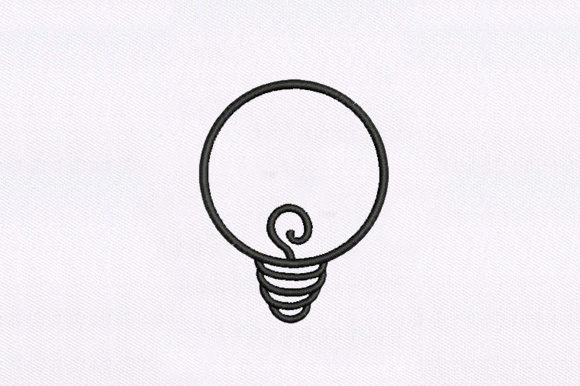
When I first loaded Electric Bulb into my digitizing software to inspect the stitch path, I was looking for clean lines and logical color changes. The concept of an electric bulb suggests warmth, ideas, and energy. For a House category item or cozy apparel, this motif carries a natural narrative of comfort and creativity. The design does not feel overly complex, which is often a blessing when working with textured fabrics like fleece or French terry.
The mood of Electric Bulb strikes a balance between playful and minimal. It is not so intricate that it gets lost in the pile of a heavy hoodie, nor is it so simple that it looks like an afterthought. In my assessment, the stitching personality leans towards a modern, decorative style that appeals to creative entrepreneurs and handmade business owners who want their products to stand out without screaming for attention. It feels premium because of its clarity, making it an excellent choice for brands aiming for a sophisticated yet approachable vibe.
Performance on Sweatshirt Fabrics
The true test of any sweatshirt embroidery project is how the design interacts with the fabric texture. I tested Electric Bulb on three different materials: a neutral heather grey cotton blend, a deep charcoal heavyweight fleece, and a soft pastel pink organic cotton.
- Neutral Sweatshirts: On the heather grey, the design popped nicely. The contrast allowed the details of the bulb filament to remain visible, giving the garment a clean, curated look suitable for everyday wear.
- Dark Fabric: Embroidering on dark fleece requires careful thread selection. With Electric Bulb, I used high-sheen rayon threads to mimic the glow of light. The design held up well, provided I used adequate stabilizer to prevent the stitches from sinking into the plush texture.
- Pastel Colors: On the pastel pink hoodie, the design felt incredibly cute and feminine. It transformed the garment into a cozy, lifestyle-focused piece perfect for spring collections or gift-oriented marketing.
For oversized hoodies, I placed the design on the left chest. This placement is classic for boutique merchandise because it offers visibility without overwhelming the wearer. The scale of Electric Bulb was appropriate for this location, maintaining readability even from a distance. I also experimented with a larger version on the back of a crewneck, where it served as a bold statement piece, reinforcing the brand’s identity as a source of bright ideas and comfort.
Technical Considerations for Commercial Use
For Etsy sellers and apparel decorators, technical reliability is non-negotiable. A digital embroidery file must be robust enough to withstand commercial production speeds and repeated washing. Here are the practical concerns I addressed while working with Electric Bulb:
- Stitch Density and Fabric Thickness: Sweatshirts are thick. If the stitch density is too high, the fabric can pucker or become stiff. I found that Electric Bulb had a balanced density that did not compromise the drape of the garment. However, always check the specific settings in your machine software, as different brands interpret files differently.
- Stabilizer Choice: Given the stretch and weight of sweatshirt material, I used a medium-weight cut-away stabilizer. This ensured that the embroidery remained stable after washing, preventing distortion around the hoop marks. For lighter fabrics, a tear-away might suffice, but for commercial apparel, cut-away is safer for longevity.
- Thread Color Contrast: To make the "electric" aspect shine, I opted for metallic gold threads for the filament and a bright white for the bulb glass. This combination created a luxurious effect that elevated the perceived value of the finished product. Thread colors play a massive role in buyer trust; sloppy or mismatched threads can ruin an otherwise great design.
- Hoop Size and Placement: Ensure you verify the recommended hoop size before starting. While the design fits standard hoops, precise placement is key for a professional finish. I used a magnetic hoop frame to keep the heavy fabric taut without leaving harsh marks.
Enhancing Brand Identity and Sales
Beyond the technical execution, Electric Bulb serves as a powerful tool for branding. For small shop products, unique design assets help differentiate your offerings from mass-produced competitors. When customers see consistent, high-quality embroidery, it builds trust. They perceive the item as a durable, handmade product rather than a disposable trend.
In terms of marketing, this design lends itself beautifully to lifestyle product photography. Imagine a mockup preview featuring a model holding a warm mug, wearing the sweatshirt with Electric Bulb embroidered on the chest. The imagery conveys warmth, creativity, and comfort—key selling points for seasonal apparel. For Etsy listings, close-up shots of the stitch detail can highlight the craftsmanship, encouraging higher engagement and conversion rates.
Furthermore, using a versatile design like this allows for customization. You can offer it as part of a "Creative Minds" collection or pair it with text for a personalized gift option. This flexibility increases customer engagement and allows for higher price points due to the bespoke nature of the service.
File Formats and Compatibility
One of the strengths of this product is its broad compatibility. The Electric Bulb package includes a wide range of formats: 10O, ART, CND, DSB, DST, DSZ, EXP, HUS, JEF, PCS, PEC, PES, TAP, VIP, VP3, and XXX. This ensures that whether you are using Brother, Janome, Husqvarna, or Bernina machines, you will have a native or highly compatible file. As a designer, I appreciate this inclusivity because it reduces the need for manual conversion, which can sometimes introduce errors in stitch paths.
However, always remember to check the specific details included in the download. While the formats are listed, verifying the exact stitch count and recommended hoop dimensions in the included documentation is a best practice before running a full production batch. This step prevents costly mistakes and ensures that your commercial embroidery run proceeds smoothly.
Final Verdict
In conclusion, Electric Bulb is a solid addition to any embroidery designer’s library, particularly for those focusing on cozy, lifestyle-oriented apparel. It balances aesthetic charm with technical practicality. For boutique brands looking to add a touch of whimsy and professionalism to their sweatshirt collections, this design delivers. It enhances the visual recognition of the brand, supports high-quality handmade presentation, and offers the versatility needed for various fabric types and colorways. If you are an Etsy seller or a custom apparel creator seeking a reliable, attractive motif that resonates with modern consumers, Electric Bulb is worth considering for your next drop.