Fresh Beef Redwork: A Designer’s Review
As an embroidery designer who spends countless hours digitizing and testing files for commercial use, I am always on the lookout for designs that balance aesthetic charm with technical reliability. When I first encountered Fresh Beef Redwork on Creative Fabrica, my immediate interest was piqued by its simplicity and thematic clarity. In the world of Food themed Embroidery, it is easy to find overly complex designs that lose their impact when scaled down. However, this particular machine embroidery design offers a clean, classic redwork style that translates beautifully across various mediums.
First Impressions and Visual Mood
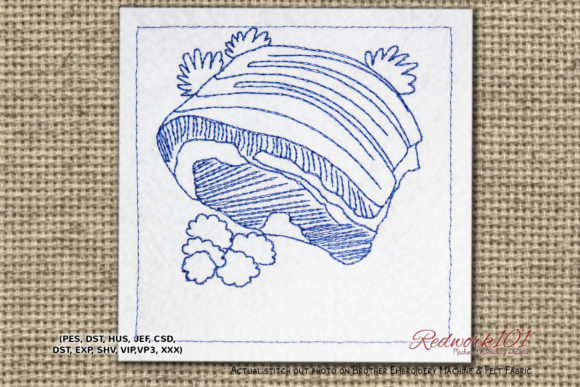
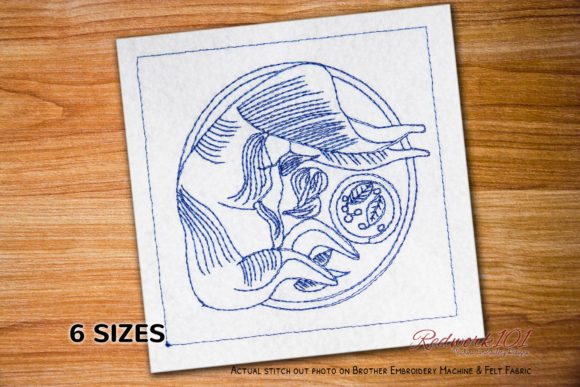
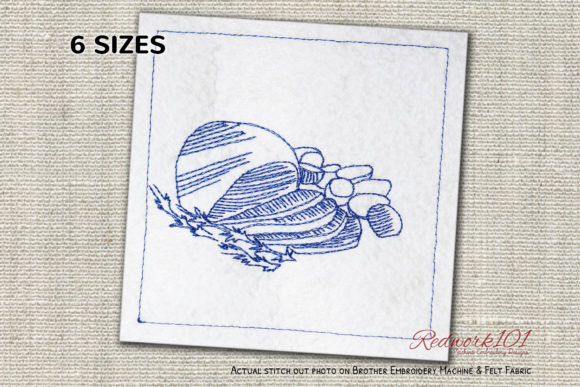
The visual mood of Fresh Beef Redwork is undeniably rustic and wholesome. Redwork, traditionally known for its single-color stitching, evokes a sense of nostalgia and handmade warmth. This design captures that essence perfectly. The lines are crisp, and the detailing is sufficient to convey the subject matter without becoming cluttered. For designers looking to add a touch of farmhouse chic or vintage appeal to their handmade product lineup, this file fits naturally into collections focused on kitchen decor, butcher shop branding, or culinary-themed gifts.
What stands out most is the versatility of the outline. The description notes that the box stitch shown in promotional images is optional. This is a crucial detail for professional users. It means we are not locked into a specific framing device. We can integrate the beef icon into larger compositions, pair it with typography, or let it stand alone as a minimalist emblem. The ability to skip the outer box color directly influences how we approach layout and hoop selection.
Performance in Real-World Projects
To truly evaluate an embroidery file, one must imagine it stitched out on actual goods. I considered how Fresh Beef Redwork would perform on several common items found in my studio and among my clients’ bestsellers.
- Kitchen Towels and Aprons: This is the most natural habitat for this design. The redwork style complements linen and cotton blends exceptionally well. On a flour sack towel, the simple lines remain legible even after repeated washing, provided the stitch density is appropriate for the fabric weight.
- Tote Bag Design: For canvas totes, the bold outline of the beef icon creates a strong visual statement. It works well as a central motif or as part of a repeating pattern for grocery-themed merchandise.
- Sweatshirt Embroidery: Placing this on a crewneck sweatshirt requires careful attention to stabilizer choice. Because redwork often utilizes running stitches or light satin work, the stretch of the fleece or cotton blend must be counteracted to prevent puckering.
- Embroidered Patch: The clean edges make this an excellent candidate for cut-work patches. Whether using a merrowed edge or a simple satin border, the shape is distinct enough to be recognizable at a small size.
For Etsy sellers and small business owners, this type of digital embroidery file is valuable because it appeals to a niche market—foodies, chefs, and home cooks—without being overly seasonal. It can be marketed year-round, unlike holiday-specific designs.
Technical Considerations for Stitching
While the design appears straightforward, experienced embroiderers know that simplicity can sometimes hide technical challenges. Here are practical notes to consider before loading this file onto your machine.
Fabric and Stabilizer Selection: Since redwork designs often rely on the contrast between the thread and the fabric, your material choice is critical. On dark fabrics, ensure you use a high-contrast thread color, such as bright red or white, depending on the desired effect. If you choose to include the optional box stitch, verify that the inner area does not require excessive fill stitching that might distort lightweight fabrics. Always use a cut-away stabilizer for garments that will undergo frequent washing, such as custom apparel or baby items, to maintain shape integrity.
Stitch Density and Thread Breaks: Review the stitch count and density settings in your embroidery software if possible. While the product description does not specify exact stitch counts, redwork styles typically have lower density than full-fill designs. This is generally good for speed and fabric hand-feel but requires precise tension settings to avoid loose loops. Test on scrap fabric first to dial in your tension.
Hoop Size and Placement: Confirm the hoop size required for the design. If the design includes the optional box, ensure your hoop can accommodate the full dimensions without repositioning. For curved surfaces like caps, the flat nature of redwork can be advantageous, as it lays flatter than dense satin columns. However, always use a cap frame and appropriate backing to prevent distortion on the curved panel.
Enhancing Product Value and Brand Consistency
Incorporating Fresh Beef Redwork into your product line can enhance perceived value through its professional finish. Clean, well-digitized outlines signal quality to buyers. For commercial embroidery projects, consistency is key. This design allows for easy replication across different products, helping to build a cohesive brand identity. Whether you are creating a set of matching kitchen linens or a line of chef-inspired apparel, the uniformity of the redwork style ties the collection together.
Furthermore, the simplicity of the design aids in product photography. It photographs well without distracting shadows or texture issues that dense fills might create. This makes it easier to create appealing printable mockup assets for your online store, potentially increasing customer engagement and click-through rates.
Licensing and Final Recommendations
Before selling any finished product made with this design, it is imperative to review the licensing terms on the Creative Fabrica embroidery product page. While many files on the platform come with commercial use licenses, terms can vary. Ensure you understand the rights regarding mass production versus handmade limits.
Additionally, check the included file formats. Ensure your machine can read the specific design assets provided, whether they are PES, DST, EXP, or other formats. If the design includes multiple color stops for the optional box, decide in advance whether to merge them or skip them based on your project needs.
In conclusion, Fresh Beef Redwork is a solid addition to any designer’s library. It offers flexibility, timeless appeal, and practical usability for a wide range of personalized gift ideas and commercial products. By paying attention to fabric choice, stabilizer support, and thread contrast, you can transform this simple digital file into a high-quality tangible product that resonates with customers. It is a reliable tool for creating memorable, handmade items that stand out in a crowded marketplace.