Pork Chop Lineart: A Designer’s Review for Craft Fairs
As an embroidery designer who has spent countless weekends standing behind booths at local markets, I have learned that not every design translates well from a digital screen to a physical product. When I first loaded the Pork Chop Lineart file into my software, my immediate reaction was one of appreciation for its simplicity. In the world of handmade goods, clarity is king. This design does not try to be overly complex; instead, it relies on clean lines and recognizable shapes to make an instant impact.
For craft fair sellers, Etsy sellers, and boutique makers, the challenge is always finding that sweet spot between artistic expression and commercial viability. This machine embroidery design fits squarely into the Food category, tapping into the evergreen popularity of kitchen-themed decor and culinary humor. But does it hold up under the scrutiny of a busy market aisle? Let us break down why this specific line art style works, where it shines, and what you need to watch out for before you start stitching.
First Impressions and Visual Appeal
The aesthetic of Pork Chop Lineart is undeniably modern with a touch of rustic charm. It feels minimal yet decorative, avoiding the clutter that often plagues detailed embroidery files. When customers walk past your booth, their eyes scan hundreds of items in seconds. A bold, clear silhouette of a pork chop cuts through the visual noise. It is funny without being cheesy, and elegant enough to sit on a high-end linen napkin or a sturdy canvas tote.
This versatility is crucial for a craft fair product. You are not limited to one niche. The design appeals to the home cook who loves farmhouse decor, the barbecue enthusiast looking for a unique gift, and the minimalist who appreciates clean graphic design. As a digital embroidery file, it offers the flexibility to change thread colors to match seasonal trends or specific brand palettes, making it a valuable asset for any small shop product lineup.
Best Products for Maximum Sales
Not all fabrics treat line art equally. Through trial and error, I have identified the best vessels for this particular design. Here is where Pork Chop Lineart truly stands out:
- Tote Bags: A large-scale version of this design on a natural cotton canvas tote is a bestseller. The contrast of dark thread against light fabric makes the line work pop, creating a statement piece that is both functional and fashionable.
- Aprons and Tea Towels: For kitchen-focused buyers, embroidering this motif on the corner of a flour sack towel or the bib of a denim apron adds a professional, handmade touch. It signals quality and attention to detail.
- Embroidered Patches: Because the design is self-contained, it works beautifully as an iron-on or sew-on patch. This allows you to create low-cost impulse buys for your booth display.
- Caps and Hats: A smaller, simplified version can be placed on the front of a baseball cap. However, you must be mindful of the curved surface and ensure the design is not too wide.
When preparing your booth samples, consider creating a cohesive collection. Displaying the same Pork Chop Lineart across different items—such as a matching set of oven mitts and a pillow cover—creates a strong visual brand consistency. It shows buyers how the design can integrate into their home life, increasing the perceived value of the finished product.
Production Practicalities and Technical Notes
From a production standpoint, efficiency is key to maintaining profit margins at a craft fair. One of the strongest aspects of this line art style is its potential for speed. Unlike filled satin stitches or dense fill patterns, line art typically uses fewer stitches, which means faster run times and less thread consumption. This makes it ideal for batch production when you need to restock your Etsy seller inventory quickly.
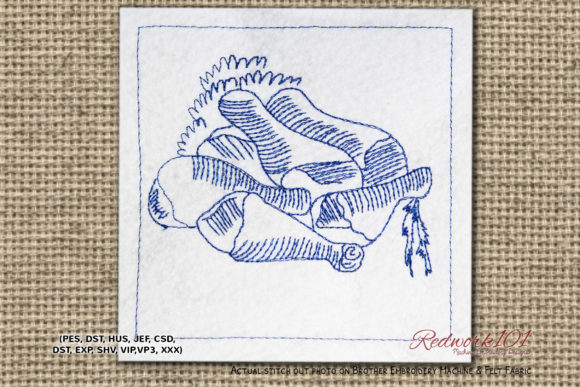
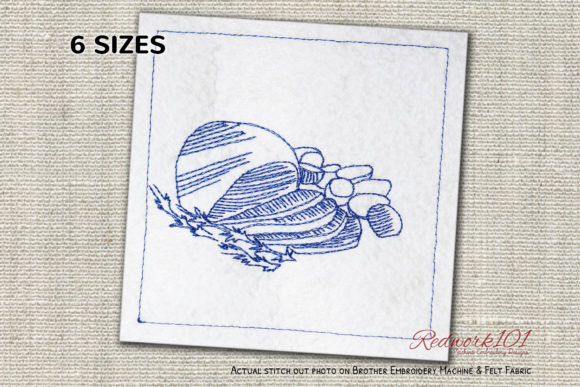
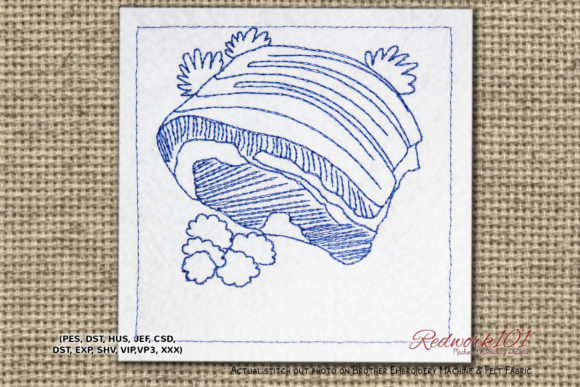
However, there are critical technical considerations. The product description notes that "The Box Stitch shown in the picture is optional." This is a vital detail. If the outer box is a different color in most designs, you have the option to skip that color entirely. I strongly recommend testing both versions. Sometimes, removing the box creates a cleaner, more modern look that appeals to contemporary buyers. Other times, the box provides necessary framing. You must check the stitch density and spacing in your software to ensure the design remains balanced without the border.
Be cautious with fabric texture. On thick, textured towels, very fine lines can get lost or appear jagged. Always test the design on scrap fabric that matches your final product material. If you are using dark fabric, ensure you use high-contrast thread colors. A white or bright yellow thread on navy blue linen will make the pork chop silhouette unmistakable, whereas low-contrast choices may render the design invisible from a distance.
Enhancing Your Brand and Booth Display
Using a consistent design like Pork Chop Lineart helps build brand recognition. When customers see your distinctive style on multiple items, they begin to associate that aesthetic with your shop. This is powerful for repeat business and word-of-mouth marketing. Furthermore, this design photographs exceptionally well for online listings. Clean lines translate clearly in digital images, making it easier to create attractive printable mockups and social media content.
To maximize buyer engagement, pair the embroidered items with complementary props. If you are selling aprons with the pork chop design, display them alongside wooden spoons or artisanal spices. This contextualizes the product and helps the customer visualize it in their own kitchen. For your Etsy listings, use high-resolution photos that show the texture of the stitches. Highlight the quality of the embroidery file execution by showing close-ups of the start and end points, proving that no loose threads were left behind.
Final Designer Recommendations
Before you commit to a large production run, take these steps to ensure success:
- Test on Multiple Fabrics: Stitch the design on cotton, linen, and denim to see how the thread interacts with each weave.
- Check Hoop Size Compatibility: Ensure the design fits comfortably within your standard hoop sizes without requiring excessive re-hooping, which slows down production.
- Use the Right Stabilizer: For lightweight fabrics like tea towels, use a cut-away stabilizer to prevent puckering. For stable fabrics like canvas totes, a tear-away may suffice.
- Verify Licensing: Always confirm commercial licensing terms for any digital embroidery file you purchase. Ensure you have the right to sell the finished product commercially.
- Create Mockups: Use design assets to create digital previews before stitching physical samples. This saves time and materials during the planning phase.
In conclusion, Pork Chop Lineart is a strong contender for any embroidery business owner looking to expand their Food-themed collection. It balances aesthetic appeal with production efficiency, making it a smart choice for both weekend craft fairs and online stores. By paying attention to fabric choice, thread contrast, and the optional box stitch, you can transform this simple digital file into a premium handmade product that customers will love to take home.