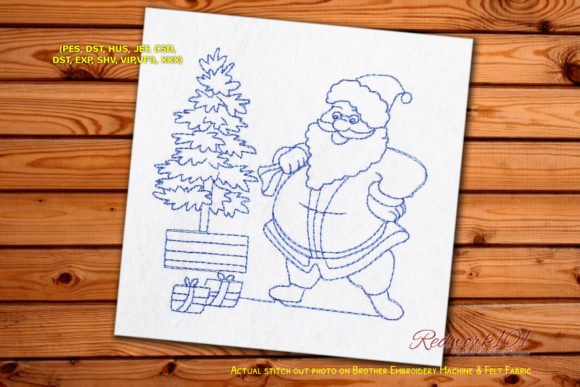
Santa Claus Redwork: A Designer’s Fair-Ready Review
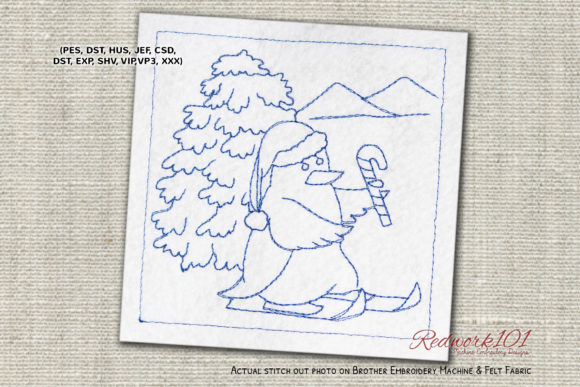
As an embroidery designer who has spent countless weekends behind a craft fair booth, I look at every new machine embroidery design through a specific lens. It is not just about whether the stitches are clean; it is about whether the design stops a shopper in their tracks. When I first loaded the Santa Claus Redwork file into my software, my immediate impression was one of nostalgic charm mixed with practical versatility. This is not a overly complex, thread-heavy masterpiece that requires hours of trimming. Instead, it feels bold, festive, and distinctly handmade.
For those of us running small shops or selling on Etsy, time is our most valuable currency. The redwork style, traditionally using a single color thread on a light background, offers a crisp, high-contrast look that reads well from a distance. In a busy holiday market, clarity is king. Shoppers walking past your table need to understand what they are looking at in under three seconds. Santa Claus Redwork delivers this instant recognition. The silhouette is iconic, and the simplicity of the stitch work gives it a farmhouse-rustic appeal that pairs beautifully with natural fabrics like linen and cotton.
Product Versatility for the Holiday Season
The true test of any digital embroidery file is its adaptability. I mentally placed this design on several potential products to see where it would shine. First, consider the classic tea towel. A simple flour sack towel with this Santa motif stitched in vibrant red thread is a perennial bestseller. It is affordable for the buyer and quick for you to produce. The open nature of redwork means it does not pucker the lightweight fabric as easily as dense satin stitches might, making it ideal for tea towel embroidery.
Moving to larger items, imagine this design centered on a canvas tote bag. As a tote bag design, it acts as a focal point without overwhelming the material. Because the description notes that the outer box stitch is optional, you have creative control. If you want a cleaner, more modern look, skip the box. If you want to frame the design for a patch-like appearance on a handmade product, include it. This flexibility allows you to create a cohesive collection where some items feel minimalist and others feel more decorative.
I also evaluated its potential for apparel, specifically aprons. An apron embroidery project benefits from designs that are durable and washable. Redwork, being primarily running or backstitch styles, holds up exceptionally well to repeated washing. However, be mindful of the fabric texture. On thick, textured towels or heavy denim, ensure your needle is sharp enough to penetrate without causing distortion. For caps, the curved surface presents a challenge. If you choose to embroider this on a hat, use a strong stabilizer and consider resizing the design to fit the front panel comfortably without wrapping around the sides.
Production Practicality and Batch Selling
From a production standpoint, Santa Claus Redwork is a dream for batch production. Unlike complex fill stitches that can take twenty minutes per item, redwork designs typically stitch out quickly. This speed allows you to prepare inventory for peak Christmas shopping seasons without burning out. When setting up your hoop, always check the recommended hoop size in the file details. Since the specific dimensions were not provided in the brief, I advise downloading the preview or checking the file properties before cutting your fabric. You do not want to discover mid-production that the design is too large for your standard 5x7 hoop if you planned on using it for smaller gifts like pouches.
Another critical factor is stitch density. While redwork is generally low-density, you must still inspect the file. Look for areas where stitches might cluster, such as the details of Santa’s face or beard. If the digital file has tight spacing in these areas, it could lead to thread breaks or fabric puckering on delicate materials. Always run a test stitch-out on scrap fabric that matches your final product. This step is non-negotiable for professional results. Check your thread contrast as well. Traditional redwork uses red on white, but don’t be afraid to experiment. A deep forest green on cream can offer a sophisticated twist, while bright red on navy creates a bold, modern pop.
Visual Appeal and Marketing Strategy
How does this design perform in marketing? For an Etsy seller or online boutique owner, photography is everything. The high contrast of redwork photographs beautifully. It stands out against white backgrounds and looks crisp in lifestyle shots. When creating your printable mockup or listing images, ensure the lighting highlights the texture of the stitches. Buyers want to see the quality of the work. Use terms like "vintage inspired" and "heirloom quality" in your descriptions to elevate the perceived value of the finished product.
In a physical booth, this design helps with brand consistency. If your shop focuses on rustic or traditional holiday decor, Santa Claus Redwork fits seamlessly. It does not clash with other items because it is understated yet festive. It invites touch. Customers often pick up embroidered items to feel the texture. The raised nature of the stitches provides a tactile experience that flat prints cannot match. This engagement can be the difference between a browser and a buyer.
Careful-Use Notes for Designers
While this design is user-friendly, there are pitfalls to avoid. First, be cautious with dark fabrics. Redwork relies on contrast. Stitching red thread on black fabric may disappear in low light. If you must use dark fabric, consider using a lighter thread color or adding a backing patch to make the design pop. Second, watch out for tiny details. If the original file includes very small elements in Santa’s features, they may not translate well at smaller sizes. If you plan to shrink the design for embroidered patch use or small ornaments, simplify the design or remove the optional box frame to maintain clarity.
Always confirm commercial licensing before selling. The prompt mentions it is a digital embroidery file, but you must verify the creator’s terms. Most designers allow unlimited sales of finished physical goods, but restrictions may apply to sharing the file itself. Never distribute the design assets directly. Your value lies in your craftsmanship, not in reselling the digital file.
Finally, consider the stabilizer. For stretchy fabrics like t-shirts or thin cottons, use a cut-away stabilizer to prevent distortion over time. For stable woven fabrics like canvas or linen, a tear-away stabilizer is usually sufficient and easier to remove. Taking these small technical steps ensures that your craft fair product looks professional and lasts for years.
In conclusion, Santa Claus Redwork is a strong contender for your holiday lineup. It balances aesthetic appeal with production efficiency. It works well on a variety of substrates, from kitchen textiles to wearable art. By paying attention to fabric choice, thread contrast, and proper stabilization, you can turn this simple digital file into a profitable segment of your small shop product range. Whether you are a seasoned commercial embroidery veteran or a creative entrepreneur just starting out, this design offers the reliability and charm needed to succeed in the competitive handmade market.