Teapot Embroidery Review for Boutique Apparel
As an embroidery designer who spends half my life digitizing and the other half stitching, I am always on the hunt for designs that bridge the gap between cute novelty and premium boutique quality. When I stumbled upon the Teapot machine embroidery design on Creative Fabrica, I immediately saw potential for a cozy, lifestyle-focused apparel collection. For those of us running small clothing brands or Etsy shops, finding a digital embroidery file that translates well from screen to fabric is crucial. This review breaks down how this specific Tea-themed design performs in real-world production scenarios.
Visual Personality and Stitching Mood
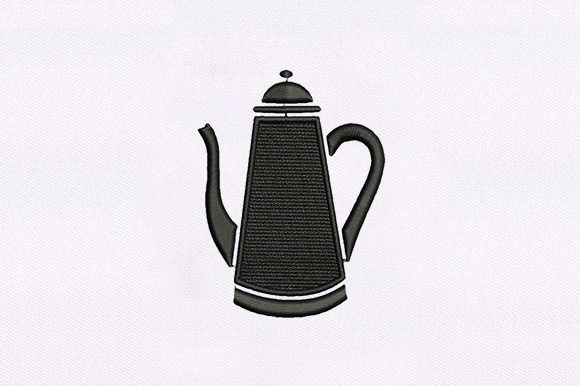
The first impression of the Teapot design is one of warmth and rustic charm. It does not scream "loud graphic"; instead, it whispers "cozy morning." The visual personality leans heavily into the cottagecore and slow-living aesthetics that are currently dominating social media graphics and handmade product trends. The stitching mood feels deliberate and decorative, suggesting a level of care that buyers associate with high-value custom apparel.
From a design judgment perspective, the balance between fill stitches and satin borders appears thoughtful. It avoids the overly dense look that can make a garment feel stiff, opting instead for a texture that complements the fabric rather than overpowering it. Whether you are aiming for a feminine, playful vibe or a more minimal, classic look, this design adapts well depending on your thread color choices. It feels premium enough for a boutique brand but approachable enough for casual wear.
Performance on Sweatshirts and Hoodies
The primary test for any modern embroidery design is how it handles the bulk and texture of fleece. I imagined placing this Teapot design on a neutral oatmeal sweatshirt or a pastel hoodie. The results in my mental mockup were promising. For hoodie chest placement, the design offers a focal point that is substantial without being overwhelming. It sits nicely above the pocket area, drawing the eye upward.
When considering sleeve accents, the scale of the teapot might require resizing, but the integrity of the shapes suggests it would hold up well as a smaller detail. For back designs, you might consider pairing the teapot with complementary text or botanical elements to create a larger composition, though the standalone image is strong enough for a left-chest logo style application. The key here is the contrast. On dark apparel, using light cream or sage green threads makes the embroidery pop, while on light garments, deep browns or charcoal greys provide a sophisticated outline.
Versatility Across Product Lines
Beyond the standard hoodie design, this asset shines in diverse applications. For t-shirt embroidery, the lighter weight of the jersey fabric means you must be mindful of puckering, but the design’s structure seems stable enough for a soft hand feel. It also translates beautifully to tote bag design. A canvas tote with this embroidered teapot becomes an instant bestseller for book clubs or tea enthusiasts, adding significant perceived value to a simple blank product.
For denim jackets, the rugged texture of the denim contrasts lovely with the smooth satin stitches of the embroidery, creating a tactile experience that customers love. This versatility is essential for creative entrepreneurs who need to maximize their inventory by applying one strong design across multiple product types. It serves as excellent boutique merchandise that feels curated rather than mass-produced.
Strategic Placement and Fabric Considerations
While the design is robust, there are areas where you must use caution. Small chest placement is ideal, but ensure you are not placing it too close to the side seam where the fabric curves sharply. Curved surfaces can distort embroidery if the stabilizer is not adequate. Additionally, when working with stretchy fabric or ribbed fabric, such as cuff details or fitted tops, the stitch density becomes a critical factor.
If the design has high stitch density, it may cause the fabric to pucker or pull. I recommend testing on scrap fabric that matches your production material exactly. For fleece, a cut-away stabilizer is usually non-negotiable to maintain shape over time. For woven fabrics like denim or canvas, a tear-away might suffice, but always check the finished product for stability. Dark garments require careful thread selection; ensure your bobbin thread matches the top thread or the backing fabric to avoid visible white dots in the fill areas.
Enhancing Brand Identity and Value
Using a cohesive design like Teapot can significantly affect your brand identity. It signals to your audience that you understand niche interests—in this case, the love of Tea and cozy comforts. This specificity builds buyer trust and product recognition. When customers see consistent visual themes in your Etsy listings and social media graphics, they begin to associate your shop with a specific lifestyle.
Professional presentation is key. A well-executed embroidery job elevates a basic garment into a collector’s item. The tactile nature of embroidery adds a layer of luxury that printed graphics cannot match. This enhances customer engagement, as people are more likely to share photos of textured, high-quality items online. For printable mockups, ensure the digital representation accurately reflects the sheen and dimension of the actual thread colors to avoid customer disappointment.
Practical Designer Notes for Production
Before launching this as a commercial embroidery product in your shop, there are several technical steps to take. First, confirm the hoop size required for the design. While the product description lists numerous formats including DST, PES, and JEF, it does not specify the exact dimensions. You must download the sample or check the detailed file info to ensure it fits your available hoops, whether you are using a 4x4 or a 5x7 frame.
Second, inspect the stitch count if available in the metadata of the embroidery file. A lower stitch count will produce faster and softer results, which is preferable for apparel comfort. Third, review the license terms on Creative Fabrica. Ensure that the license allows for the sale of finished physical products, which is standard for most designs there, but always verify to protect your small shop product line.
Finally, thread color contrast is vital. Do not rely solely on the default color sequence in the software. Customize the palette to match your seasonal collection. Test on similar garment fabric to check for any pulling or distortion. If you are selling finished apparel, your reputation depends on the durability and aesthetic appeal of every stitch. By treating this digital embroidery file as a core component of your design strategy, you can create a cohesive, high-quality collection that resonates with your target audience.
In conclusion, the Teapot design is a versatile, charming addition to any embroidery designer’s library. It bridges the gap between whimsical and professional, making it an excellent choice for boutique apparel, sweatshirt embroidery, and handmade accessories. With careful attention to stabilizer choice and placement, it can become a signature element of your brand’s visual identity.