Hot Coffee Cup: A Designer’s Review for Craft Fair Success
As an embroidery designer who has spent countless weekends behind a booth table, I know that not every digital file translates into a bestseller. When I first loaded the Hot Coffee Cup machine embroidery design into my software, I was looking for more than just cute aesthetics. I was evaluating its potential as a high-converting craft fair product. In the crowded marketplace of handmade goods, specifically within the Tea and Embroidery niche, clarity and speed of production are just as vital as charm.
This review breaks down how this specific design performs when moved from the screen to the sewing room floor. We will explore its visual impact, practical application on various textiles, and the technical considerations necessary to turn this digital embroidery file into a profitable small shop product.
First Impressions and Visual Appeal
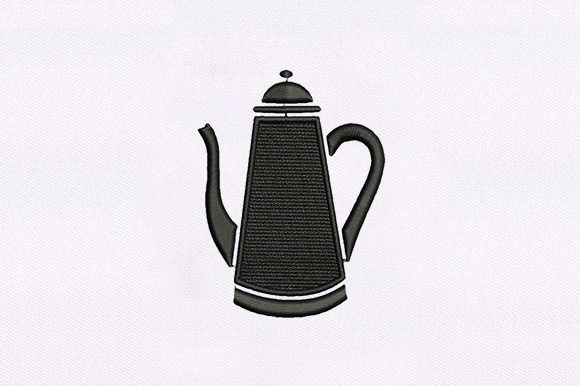
The immediate impression of the Hot Coffee Cup design is one of warmth and approachability. It does not try to be overly complex or abstract. Instead, it leans into a cozy, rustic-modern vibe that resonates deeply with current home decor trends. For an Etsy seller or boutique maker, this is crucial. Customers at a craft fair often make split-second decisions based on what catches their eye from three feet away. This design offers a bold, recognizable silhouette that reads clearly even from a distance.
The aesthetic feels both decorative and premium. It avoids the cluttered look that sometimes plagues amateur designs, opting instead for clean lines that suggest quality. Whether you position it as a farmhouse staple or a modern minimalist accent, the versatility allows it to fit into multiple brand identities. This flexibility is a significant asset for creative entrepreneurs who need to maximize the utility of their design assets.
Product Versatility and Market Fit
To determine the true value of a design, we must test it across different substrates. Here is how Hot Coffee Cup performs on popular handmade products:
- Tote Bags and Market Bags: This is arguably the strongest application. A large hoop placement on a canvas tote creates an instant statement piece. The design works beautifully as a focal point, drawing attention to the bag’s utility while adding artistic value.
- Aprons and Kitchen Towels: For tea towel embroidery, scale is key. If the design includes fine details, ensure they do not get lost in the terry cloth texture. On a smooth cotton apron, however, the design shines, offering a professional finish that elevates a simple kitchen accessory into a giftable item.
- Embroidered Patches: Creating iron-on or sew-on patches is a fantastic way to utilize leftover hoop time. The Hot Coffee Cup motif translates well to smaller scales, provided the stitch density is appropriate for the patch backing.
- Caps and Headwear: Curved surfaces present a challenge. If you plan to embroider this on caps, you must check the design’s width to ensure it does not distort over the seam. A simplified version of the design often works better here to maintain clarity.
- Pillow Covers and Home Decor: Placed centrally on a linen pillow cover, the design adds a touch of personality to living spaces. It appeals to buyers looking for affordable luxury items for their homes.
Production Practicality for Batch Selling
For those of us running a commercial embroidery operation, time is money. The Hot Coffee Cup design appears optimized for efficient production. It does not seem to rely on excessive jump stitches or overly dense fill areas that would slow down the machine or increase thread breakage risks. This makes it ideal for batch production during the busy holiday season or before a major market event.
Photography is another critical factor. This design photographs exceptionally well for online listings. The contrast between the thread colors and typical fabric backgrounds creates a sharp image that pops on social media feeds. For digital sellers offering printable mockups, this design provides a realistic preview that helps customers visualize the finished product, thereby increasing conversion rates.
Technical Considerations and Careful Use
While the design is robust, successful execution requires attention to technical details. Before committing to a large run, consider these factors:
- Stitch Density and Fabric Texture: Always test the design on scrap fabric similar to your final product. Thick fabrics like denim or heavy canvas may require a lighter density setting to prevent puckering. Conversely, delicate fabrics need a stable base to support the stitch count.
- Stabilizer Selection: The right stabilizer is non-negotiable. For stretchy materials like tote bags or knit caps, use a cut-away stabilizer to maintain shape. For woven tea towels, a tear-away may suffice, but always test first to ensure no residue remains.
- Thread Contrast: Choose thread colors that stand out against your fabric. A dark coffee cup on a navy blue bag will disappear. Opt for high-contrast combinations to ensure the design remains legible and attractive.
- Hoop Size Compatibility: Verify that the design fits comfortably within your available hoop size. Leaving adequate margin around the design prevents hooping marks from being visible on the finished product.
It is also vital to note that tiny details can get lost if the design is scaled down too far. If you are creating small accessories like coin purses, ensure the core elements of the Hot Coffee Cup remain distinct. If the original file contains small lettering or intricate steam details, these may need simplification for smaller applications.
Commercial Licensing and File Formats
One of the standout features of this product is the extensive range of supported formats. The inclusion of 10O, ART, CND, DSB, DST, DSZ, EXP, HUS, JEF, PCS, PEC, PES, TAP, VIP, VP3, and XXX ensures compatibility with nearly every major embroidery machine brand. This universality is a huge advantage for designers who work with multiple machines or who sell to a diverse customer base.
However, before selling any finished product, you must confirm the commercial licensing terms associated with this specific digital embroidery file. While many designers allow the sale of physical items made with their designs, restrictions often apply to mass production or sharing the digital file itself. Always read the license agreement carefully to protect your business and respect the creator’s rights.
Final Verdict for Craft Fair Sellers
The Hot Coffee Cup design is a strong contender for any embroidery business owner’s library. It balances aesthetic appeal with production efficiency, making it a reliable choice for generating revenue. Its ability to adapt to various products—from sturdy tote bags to delicate tea towels—means you can create a cohesive collection that appeals to a wide range of customers.
By focusing on high-quality finishes, proper stabilizer use, and strategic product placement, you can transform this simple design into a standout item in your booth. Remember, the goal is not just to embroider a cup, but to evoke the feeling of comfort and joy that comes with a hot beverage. When customers feel that connection, they are far more likely to purchase your handmade product. Test it, refine your technique, and let this design brew up some success for your small shop.